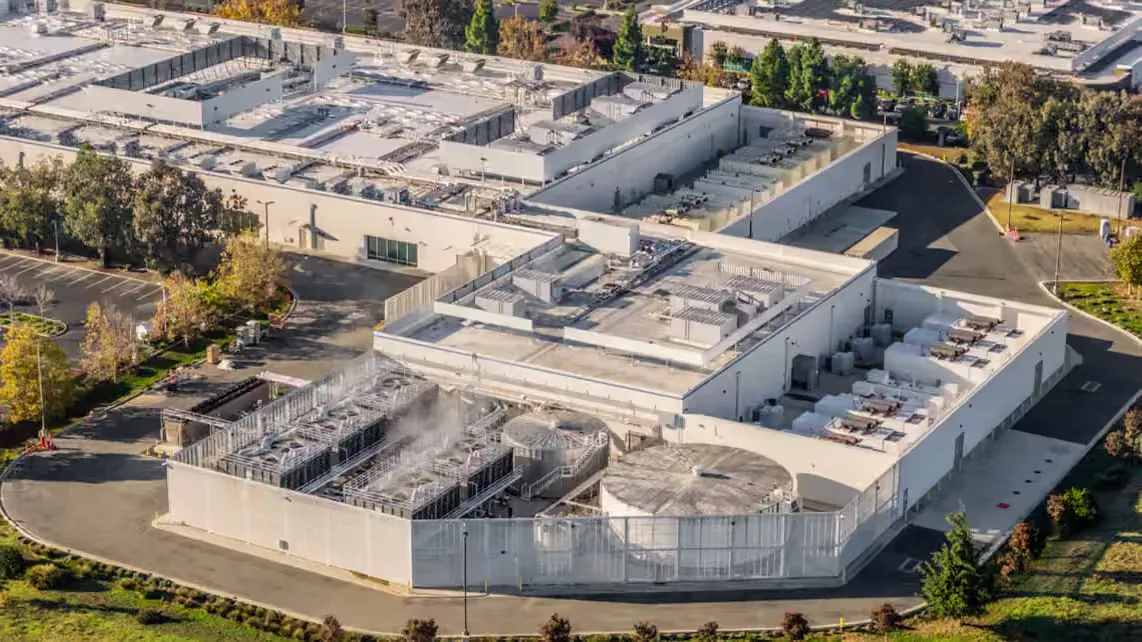
Alphabet is doubling down on its artificial intelligence ambitions, signaling that the massive wave of infrastructure spending is far from over. In its most recent quarterly report, the Google parent company revealed it spent 51.4 billion dollars on capital projects to build out its AI capabilities, a figure that is more than double what it spent during the same period last year. The company is not showing any signs of slowing down, maintaining a projected spending range of up to 205 billion dollars for 2026 and indicating that costs will grow significantly again in 2027.
This trend isn’t isolated to Alphabet. Microsoft has also been pouring billions into its own ecosystem, focusing heavily on central processing units and graphics processing units to stay competitive. While some delivery delays from third party providers slightly tempered Microsoft’s recent numbers, management expects an acceleration in spending throughout the second half of their fiscal year. This relentless appetite for hardware from the world’s largest tech firms creates a powerful tailwind for the companies that actually build the guts of these data centers.
Nvidia remains a primary beneficiary of this trend, as it provides the essential chips required for high level AI processing. Although some analysts have noted that Nvidia’s sequential growth rate is beginning to normalize, the company continues to post staggering revenue gains, with projections suggesting nearly 90 percent growth over previous periods. While competition from internal chip projects like Google’s tensor processing units exists, the sheer scale of overall industry spending suggests there is plenty of room for Nvidia to remain a dominant force through the end of the decade.
Beyond the chips themselves, the physical infrastructure of data centers requires specialized power and cooling solutions, which is where Vertiv comes into play. Vertiv recently reported explosive organic growth as demand for its cooling gear surged, with net sales jumping over 60 percent year over year. While the stock can be volatile and trades at a higher valuation multiple than Nvidia, both companies are fundamentally tied to the same build out. For investors looking toward 2030, these two stocks represent different but complementary ways to bet on the enduring expansion of global AI infrastructure.